Leave a message and I will contact you as soon as possible.
Sarah | Counsellor / psychotherapist
Introduction
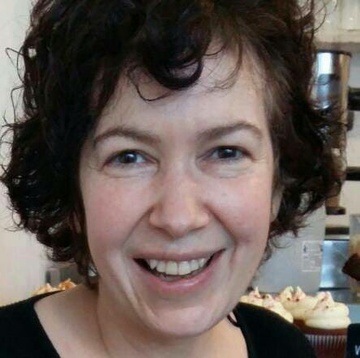
Hi! I'm Sarah and I'm an experienced counsellor/ psychotherapist in Gatley, Cheadle near Stockport and South Manchester. I've worked as a counsellor for over 18 years. Sessions can be face to face, online (e.g., zoom) or phone call.
Are you finding life difficult?
We all have times in our lives when we find it hard to cope. Counselling and psychotherapy can help you understand why you think, feel and act like you do. It can help you develop positive strategies to get what you want /need out of life.
How can therapy help me?
How we think, feel and behave is part of being human. But problems can arise
- when we get ‘stuck’ in negative thought patterns
- when our feelings are persistently overwhelming/painful
- when our behaviour is self-destructive and doesn’t result in us getting what we want/need
- when we worry about the future, dwell on the past and find it hard to live in the present
About me
My first experience of counselling was as a client in 2002. The process of being heard and identifying unhelpful behaviour / thought patterns was both challenging and enlightening. Through reflecting on and validating my own life experiences, I moved from a self critical mindset to a compassionate one. This journey was difficult, at times, but it was a catalyst for change. A therapeutic relationship which fosters trust, respect and curiosity, is essential to facilitate changes within ourselves and with our relationships with others.
I am now fully qualified as an accredited BACP (British Association of Counselling and Psychotherapy) counsellor. I consider myself to be a supportive, empathetic and experienced therapist, who provides a safe, non judgmental and confidential environment for clients to explore their difficulties. I believe that the experience of sharing difficult feelings; of being ‘heard’ and not judged can be liberating and empowering. I have over 18 years experience as a counsellor and I work with individuals and couples.
When appropriate we can include techniques from mindfulness and meditation in the therapy sessions.
I also have had 18 years experience teaching English and maths to second language speakers, many of whom are refugees/asylum seekers.
I live in Gatley with my husband, one dog and two cats. I have 2 adult children, who I enjoy spending time with.
I abide by the BACP code of ethics/conduct and I comply with GDPR (Global Data Processing Regulation) requirements regarding the storage of client data. I hold an up-to-date DBS check and I receive regular supervision.
Online therapy
I offer online counselling through zoom or Skype. Sessions last 50 minutes.Qualifications and registrations
- BA Hons degree in English and psychology
- PGCE
- Certificate in person-centred counselling skills
-
Diploma in Transactional Analysis psychotherapy (4 years post graduate training at the South Manchester Centre for Psychotherapy)
-
Registered BACP Accredited member
- Diploma in CBT (Cognitive Behaviour Therapy)
Transactional analysis (TA)
TA psychotherapy is a theory of personality that can be used
- to understand relationships
- to promote personal change and growth
Registrations
I offer therapy in
Specialisations
- 1. Grief
- 2. Addiction
- 3. Stress
- 4. Anxiety
- 5. Depression
- 6. Couples therapy
- 7. Trauma PTSD
- 8. codependency
- 9. Abuse
- 10. neurodiversity
Most common issues I support people with:
Grief
What is grief?
Most people experience bereavement/loss of a loved one at some point in their lives. Grief is a natural process that helps us to cope with and accept our loss. The grief process involves a series of emotions including shock/denial; anger; sadness/pain; depression/guilt and acceptance. The grief process takes place not only when we have lost someone but also when we perceive that we have lost something - eg being made redundant; our children leaving home; infertility; adoption issues; being separated/divorced; retiring; a friendship ending; grieving for the loss of our childhood.
How can bereavement/grief counselling help?
If we get stuck in one part of the grief process (e.g., by not expressing/accepting our sadness/anger or by using addictive, self-harming behaviour to distract ourselves from our feelings) we can end up going round and round the grief process and these unresolved feelings can lead to depression/shame. This depression is different to the 'healthy depression', which is a natural part of grieving for our loss. Feeling depressed can have a negative impact on your relationships.
Seeing a counsellor can help you complete the grief process by allowing you to reclaim and connect to the disowned parts of you. Grief therapy can also help you to feel compassion for the vulnerable, anxious and stressed parts of you as well as helping you make sense of your experience. Practising relaxation techniques like mindfulness and meditation can help you through the grieving process.
Addictive behaviour
What is addictive behaviour?
While the form of addiction varies (people can be addicted to alcohol, drugs, smoking, sex, gambling, binge-eating, shopping, pleasing others / codependency) what is similar with all addicts is that their behaviour is an attempt to cope with overwhelmingly painful feelings. The addictive behaviour attempts to block out the painful feelings by distracting the person from these depressed feelings. However because the original feelings are not addressed, they remain unresolved. In addition to this, the addictive behaviour itself has a detrimental effect on relationships and can cause stress at work.
How can addictions counselling help?
When I see clients who have addictive behaviours, we will look at the underlying, painful feelings, often unresolved from childhood. I see the addiction as a symptom of these feelings. These feelings could be sadness, fear or anger.Over time we will explore the link between feelings and behaviour and I encourage my clients to believe that, with awareness, they can create a gap between the feelings and self-harming behaviour. In this gap clients can use thinking interventions to challenge their limiting beliefs and by doing so realise that they have a choice about whether they want to do the addictive behaviour or not. In this way counselling can change the neural pathways in your brain.
I encourage clients to believe that they are addicted not to the drink, gambling etc but to the negative thoughts about themselves that happens after/during the addictive behaviour. During therapy we will also explore alternative coping strategies for managing these painful feelings- eg feeling compassion for the vulnerable, anxious part of you ; allowing yourself to grieve; using mindfulness, meditation techniques and being committed to a healthy lifestyle(choosing food to boost your serotonin levels, taking exercise etc).
How long will addictions counselling take?
For some symptomatic relief , therapy could be short term. But to resolve the underlying and often deep rooted causes of the addictive behaviour , counselling is often long term.
Anger
What is anger?
Anger is a normal emotion - it's part of being human. While we all get angry from time to time, some people lose control of their anger and this can cause depression, isolation, anxiety, stress, addictive behaviours, self-harm, migraines, headaches, high blood pressure, aggressive behaviour and relationship problems.
Why do I have anger issues?
- Bottling up your feelings - whether they are sadness, anxiety, stress or anger - can result in pent up anger bubbling to the surface. For many people this strategy of pushing down feelings has been a way of handling life stresses since childhood. Realising that feeling vulnerable, scared, unhappy or misunderstood is normal and part of being human can help you to be more accepting and compassionate of your own feelings and the feelings of others. Connecting to your feelings will also help you feel more integrated as a person.
- Feeling out of control and stressed with life events can be frustrating and can lead to problems expressing anger. A strong sense of injustice and feeling powerless can fuel this anger.
- Experiencing yourself as a failure can generate anger issues.
- Unhealthy lifestyles can contribute to anger issues. If you are constantly tired, working too hard, not getting enough sleep, eating junk food and relying on energy drinks and caffeine, this will exacerbate any anger problems you have. Choosing foods which will boost your serotonin and dopamine levels will help you feel calmer. A healthy lifestyle for your mind and body will optimise your ability to cope with anger and stress.
How can counselling help my anger issues?
- Seeing a counsellor can help you identify your anger triggers as well as exploring healthy ways of expressing your anger.
- Understanding how you process anger can help us challenge negative beliefs about yourself and others. In this way counselling can change the neural pathways in your brain.
- Talking through your anger issues with a counsellor can help you feel less alone. It can also help you communicate better with your partner - in a non blaming way.
- Accepting failure as a normal and inevitable part of life can help people with anger difficulties : -what you achieve or don't achieve doesn't define your worth as a person.
- Taking responsibility for all your feelings - sadness, fear, anger and happiness - will help you feel more in control of your life and will reduce anger issues.
- Seeing a counsellor can help you acknowledge that there is a gap between your angry impulse and your angry behaviour. This will allow you to choose how you manage your anger, rather than automatically having a knee jerk reaction to a situation.
- Separating what you can control (eg your response to a stressful event) and what you can't control (eg the behaviour of others)
- Practising meditation, mindfulness techniques can help reduce the cycle of anger, blame and self loathing.
Abuse
What is abuse?
Abuse occurs when a person violates someone else's personal boundaries. Abusers want to control and degrade their victims. There are many different types of abuse including physical, emotional, mental, sexual and verbal abuse. Another form of abuse is neglect, where parents fail to take care of their children's basic needs. Abuse can occur at home (domestic violence, rape, incest) ; in the workplace (sexual harassment, bullying) and in communities (racism, homophobia).
Counselling can help you acknowledge and accept the truth of your experience - that none of it was your fault. The impact of abuse can leave long term emotional scars and often victims will turn to self destructive, addictive behaviours as a way of distracting themselves from their overwhelming emotional pain. These addictive behaviours also reinforce negative thoughts and beliefs and the victim can find themselves in a cycle of self loathing, depression, anxiety, self-harm and shame. Counselling can help you break these self destructive cycles as well as allowing you to grieve for the loss of someone violating your boundaries.
How can counselling help the abuser?
Abusers often have anger issues and a need to control/have power over another person. Underneath these issues are deep rooted insecurities, shame and low self esteem. Abusers find it hard to take responsibility for their actions. Therapy can help you come to terms with the consequences of your behaviour as well as addressing your deep rooted insecurities, which may originate from childhood.
Counselling sessions can also help you learn healthy ways of expressing anger, fear and sadness and in doing so counselling can help you break the cycle of abuse
Therapies offered
- ✓ Cognitive behavioural therapy
- ✓ Counselling
- ✓ Couples counselling
- ✓ Integrative Counselling
- ✓ Mindfulness
- ✓ Online counselling
- ✓ Person-centred therapy
- ✓ Psychotherapy
- ✓ Relationship Counselling
- ✓ Skype counselling
Areas of counselling I can help with
- ✓ Abortion
- ✓ Abuse
- ✓ Addiction
- ✓ Adoption/Post-Adoption
- ✓ Anger management
- ✓ Anorexia nervosa
- ✓ Anxiety
- ✓ Attachment disorder
- ✓ Being a perfectionist
- ✓ Being assertive
- ✓ Bereavement, grief, loss
- ✓ Binge-eating disorder
- ✓ Bulimia
- ✓ Bullying
- ✓ Burnout
- ✓ Childhood emotional neglect (CEN)
- ✓ Codependency
- ✓ Communication
- ✓ Self confidence
- ✓ Covid-19 Anxiety
- ✓ Depression
- ✓ Eating disorders
- ✓ Eating problems
- ✓ Family problems
- ✓ Fear
- ✓ Feeling lonely
- ✓ Feeling sad
- ✓ Food addiction
- ✓ Hoarding
- ✓ Hyperventilation
- ✓ Infertility
- ✓ Insecurity
- ✓ Jealousy
- ✓ LGBT-issues
- ✓ Living with cancer
- ✓ Low self esteem
- ✓ Miscarriage
- ✓ Neurodiversity
- ✓ Obsessive compulsive disorder
- ✓ Panic attack
- ✓ Panic disorder
- ✓ Performance anxiety
- ✓ Phobia
- ✓ Post-traumatic stress disorder
- ✓ Postnatal depression
- ✓ Redundancy
- ✓ Relationship issues
- ✓ Retirement
- ✓ Self-harm
- ✓ Setting boundaries
- ✓ Sleep problems
- ✓ Social phobia
- ✓ Stress
- ✓ Trauma
- ✓ Weight loss
- ✓ Workplace stress
- ✓ Worrying too much
Fees
Sessions last for 50 minutes and cost £60 (individuals) / £67 (couples). Sessions are available during the daytime and evening time.Availability (Opening hours)
| Monday | 8.00 am - 8.00 pm |
| Tuesday | 8.00 am - 8.00 pm |
| Wednesday | 8.00 am - 8.00 pm |
| Thursday | 8.00 am - 8.00 pm |
| Friday | 8.00 am - 5.00 pm |
| Saturday | - |
| Sunday | - |
Photos
Contact me
Do you want to make an appointment or do you have a question?Send a message
( No, I will search some more )
Leave a message and I will contact you as soon as possible.
- ✓ 250+ Counsellors
- ✓ In the UK
- ✓ Face-to-face & Online